Rise Ready: Turn Mornings Into Reliable Momentum

Wake Up With Purpose
Your First Cue: Light, Sound, or Scent?
If-Then Blueprints That Survive Snooze Attacks
Motivation Versus Momentum: Build the Start Line
Design Cues That Actually Fire
External Anchors Around the Home
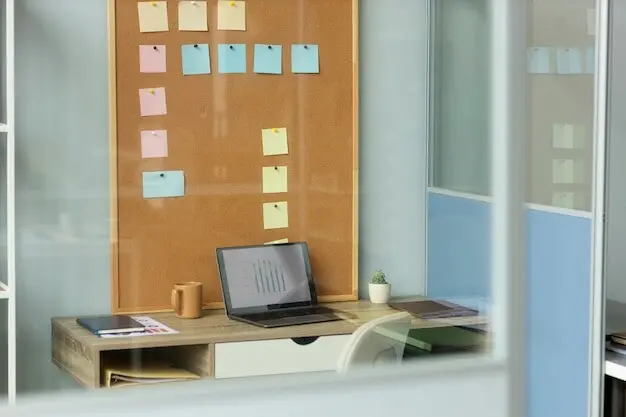
Upgrade surfaces into signals. A yoga mat beside the bed says stretch before scroll. A water bottle on the nightstand says drink before think. A book on the pillow says read two pages before lights out to prime tomorrow’s energy. Label drawers with verbs to reduce morning decisions. Use color to differentiate actions—bright bands, sticky notes, or small symbols. Reset anchors nightly so morning you meets a ready stage, reducing cognitive load and turning space into an encouraging partner.
Body-Based Signals You Already Feel
Leverage biological rhythms as built-in reminders. If you notice the first yawn, then dim lights and pack the gym bag to protect tomorrow’s wakefulness. If you feel stiff stepping out of bed, then hold a thirty-second calf stretch before coffee. If sunlight touches your window, then open blinds fully. Internal cues are powerful because they are impossible to misplace. Track one sensation for a week, pair it with a tiny behavior, and notice how reliability improves without extra gadgets.
Digital Prompts Without Notification Overload
Make your phone a deliberate ally instead of a noisy boss. Replace scattered alarms with one context-specific reminder named with an action verb and location: ‘Stand, sip water, open blinds—bedside.’ Set quiet haptics, remove redundant badges, and pin a single widget that displays your next micro-step. Create Do Not Disturb exceptions for only the morning essentials. Audit every alert: keep what triggers action, delete what triggers anxiety. One reliable digital cue beats ten pings that teach you to ignore everything.


From If-Then Plans to Automatic Wins
Environmental Architecture for Effortless Mornings
Reduce Friction Before Bed
Make Good Choices Obvious and Attractive
Rescue Plans for Real-Life Chaos
Travel-Proof Morning Micro-Routine
Pack a tiny ritual that works in any room. If the alarm vibrates, then I stand, drink water, open curtains, and do ten slow breaths. Use a foldable resistance band and a pocket notebook as universal anchors. Download an offline playlist and a one-minute audio cue. Treat hotel coffee as a countdown to movement. When home turf disappears, consistency survives through portable prompts and simplified steps. Share your next destination, and we’ll tailor a three-move sequence suited to the space.
Sick Days and Low-Energy Protocol
On fragile mornings, honor recovery while protecting identity. If aches appear, then I hydrate, take temperature if needed, and journal one sentence about how I’ll care for myself. Replace workouts with gentle mobility or breathing. Keep implementation intentions compassionate: If dizziness returns, then I sit and message work early. The goal is a humane minimum that says, ‘I still show up for me.’ Write a kind script now, because sick you deserves support, not surprise negotiations or guilt.

Measure, Reflect, and Reinforce
Tiny Metrics and Visual Dashboards
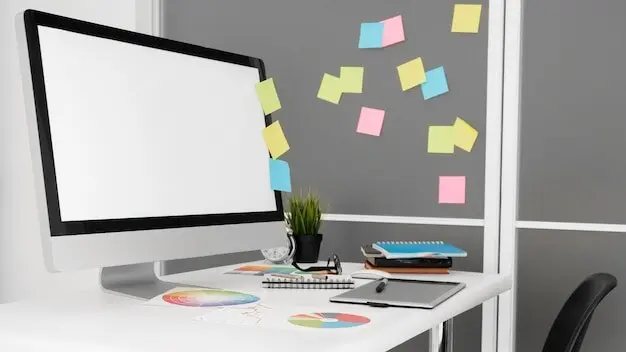
Track binary wins, not perfect streaks. Did the cue fire? Did the first step happen? Use a wall calendar, an index card, or a minimal app. Color one square, place a bead in a jar, or move a magnet down a track. Visibility reinforces progress and invites conversation. Review on Fridays for patterns, not punishment. If the graph dips, adjust the cue, not your character. Share a photo of your dashboard so we can cheer and fine-tune together.
Weekly Experiments and Gentle Debriefs
Treat mornings like a lab with kind scientists. Each week, change one variable: cue placement, wording, or sequence length. Run for five days, then debrief in two questions: What worked unexpectedly well, and what felt heavy? Keep notes short and compassionate. If you learned nothing, the experiment was too big. Shrink it. Post your findings and next hypothesis in the comments for group insight. Curiosity, not criticism, turns blips into breakthroughs and turns routines into living systems.
Rewards, Identity, and Belonging
Seal behavior with immediate, honest rewards. Sip a favorite tea after the first step, play a beloved track, or text a friend a single emoji check-in. Name the identity you’re practicing: ‘I’m someone who keeps small promises in the morning.’ Belonging strengthens the loop, so invite a buddy to mirror your cue. Celebrate the process, not just outcomes. Share the phrase that makes you feel steady at sunrise, and we’ll build a community lexicon that nudges us all forward.