Design Better Choices Across an Ordinary Day

Today we explore Everyday Decision Design, the practical craft of shaping small choices so daily life flows with less friction and more intention. From mornings that start on autopilot to evenings that actually restore energy, we will blend research, stories, and hands-on tactics. Expect clear examples, gentle prompts, and playful experiments you can try within minutes. Share what works for you in the comments, invite a friend to join, and help us build a community that chooses thoughtfully, together.

Morning Momentum: Defaults That Quietly Do The Work

Mornings often determine the tone of the entire day, so design them to reduce decision fatigue before it even appears. Arrange what matters in your path, and tuck distractions far away. You can pre-decide breakfast, queue a playlist that nudges movement, and let Do Not Disturb lift only after deep focus begins. I once kept missing my bus until moving my keys next to my water bottle; one tiny default delivered dependable rhythm.

Set It The Night Before

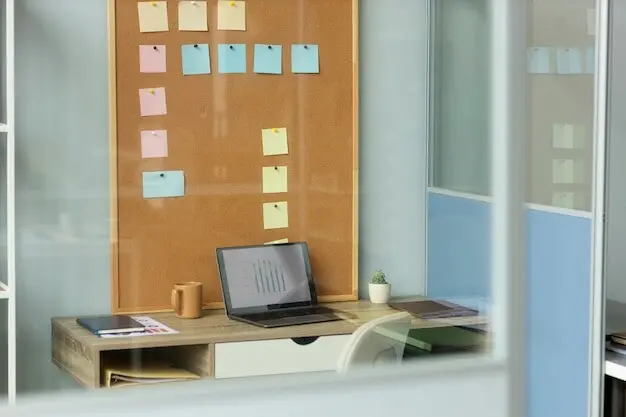
Prime tomorrow by resolving key choices while your willpower is still high and your environment is calm. Lay out clothes, stage your shoes, preset the coffee, and draft your top three priorities on a single sticky note. When morning arrives, you glide, not grind, letting preparation carry you forward while your brain fully wakes.

Shape Friction, Shape Behavior

Create micro-barriers for actions you want less of, and remove hurdles for actions you want more of. Put sweets on the highest shelf behind a closed cabinet, and place fruit in a beautiful bowl at eye level. Disable auto-play on streaming services and pin your reading app to the dock. Small frictions redirect whole routines.

Cues, Checklists, Tiny Wins

Visible cues anchor new habits, while compact checklists catch easy-to-forget steps. Keep a water glass beside your laptop, a gratitude card on your pillow, and a two-line warm-up checklist for creative work. Celebrate the first five minutes, not the perfect hour. Those tiny wins build momentum that carries you through inevitable disruptions.

Kitchen Shelves As Honest Signals

Use your pantry like a scoreboard that nudges tomorrow’s meals. Transparent containers invite wholesome snacks; opaque bins politely conceal indulgences reserved for special moments. Group ingredients for quick, healthy bowls at reaching height. Label leftovers with a date and a playful name. When your kitchen directs your glance, it quietly directs your appetite, too.

A Focused Desk And Quiet Apps

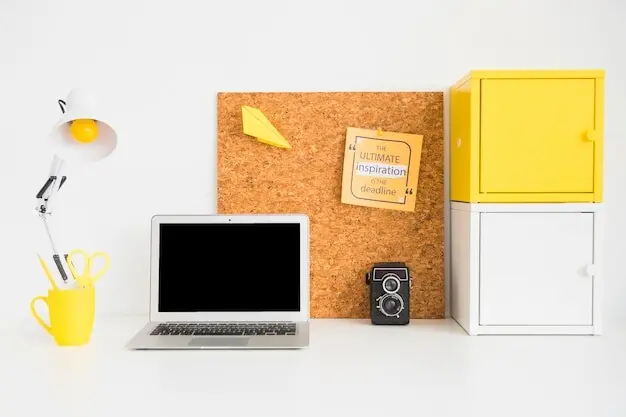
Design a workspace where only today’s mission earns front-row seats. Keep one notebook open, a single pen you love, and your task list visible at a glance. Banish badge counts, silence nonessential notifications, and schedule inbox windows. When the default state is calm and clear, focus becomes the easy path rather than the uphill struggle.

Calendars That Protect Deep Time

Block recurring focus sessions like immovable appointments with yourself. Stack shallow tasks together, buffer transitions, and name blocks after the outcome you want, not the activity. Share availability windows with teammates to reduce scheduling chaos. When your calendar reflects priorities on purpose, it becomes a gentle guardrail that resists drift and preserves meaningful progress.

Bias, Emotion, And The Stories We Believe
Our choices rarely emerge from spreadsheets alone; they spring from feelings, shortcuts, and narratives about who we are. Status quo bias clings to comfort, while loss aversion exaggerates what we might forfeit. A friend once bought pricey extended coverage out of fear, then later reframed the choice as building a repair cushion; relief replaced anxiety. By naming patterns, we reclaim calm, context, and wiser judgment.

Metrics That Matter In Daily Life

What you measure shapes what you notice, and what you notice shapes what you choose. Favor simple, human-scale indicators over elaborate dashboards you will abandon. Track sleep consistency, focused minutes, or meals cooked at home. Review weekly for patterns, not perfection. One client halved evening snacking just by logging after-dinner choices; awareness alone redirected momentum without shame or spreadsheets.

Ethics And Influence When Shaping Choices

Designing choices carries responsibility. Influence should uphold autonomy, dignity, and informed consent, especially when designing for families, teams, or communities. Be transparent about defaults, intentions, and data. Offer real alternatives and easy exits. Invite feedback loops that surface unintended effects. Ethical design builds trust, and trust sustains habits long after novelty fades or external motivators disappear.

From Intention To Habit: Making Change Stick

Identity Before Outcomes

Choose a narrative like I am the kind of person who moves daily rather than I must exercise thirty minutes. Identity turns each repetition into evidence, which strengthens belief, which fuels the next repetition. This upward spiral outperforms willpower alone, because it rewrites the story that silently steers your choices when no one is watching.

If–Then Plans That Actually Fire

Translate vague hopes into precise triggers. If I finish brewing coffee, then I stretch for two minutes. If I open my laptop, then I start with the hardest task for five minutes. Clear if–then links help your brain switch automatically, reducing hesitation and overthinking. Even tiny starts often unlock surprisingly large stretches of focused effort.

Reset Rituals And Fresh Starts

Expect detours and design graceful returns. A Sunday reset might tidy your space, clear your inbox, and choose Monday’s highlight. Use birthdays, new months, or the first day after travel as psychological clean slates. Invite readers to share their favorite reset rituals below, and subscribe for fresh experiments that make coming back feel easy.
Varoveltomiralivo
Privacy Overview

This website uses cookies so that we can provide you with the best user experience possible. Cookie information is stored in your browser and performs functions such as recognising you when you return to our website and helping our team to understand which sections of the website you find most interesting and useful.